Comprehensive Guide to Pipette Tips Types, Materials, and Choosing the Best Pipette Tips
Essential to laboratory workflows across chemistry and molecular biology, pipette tips directly govern the accuracy and repeatability of experimental data. Though physically small, these consumables are critical components in high-throughput screening, PCR assays, and cell culture protocols where even minor volumetric discrepancies can compromise results.
Core Functional Roles
- Volumetric Precision: Maintains tight liquid delivery tolerances, ensuring exact sample volumes across repeated trials.
- Contamination Control: Acts as a sterile, disposable interface that prevents carryover between distinct samples.
- Equipment Protection: Shields internal pipette components from hazardous, corrosive, or aerosolizing liquids.
Selecting the proper tip geometry and surface quality for your specific liquid handling workflow is fundamental to generating verifiable scientific data.
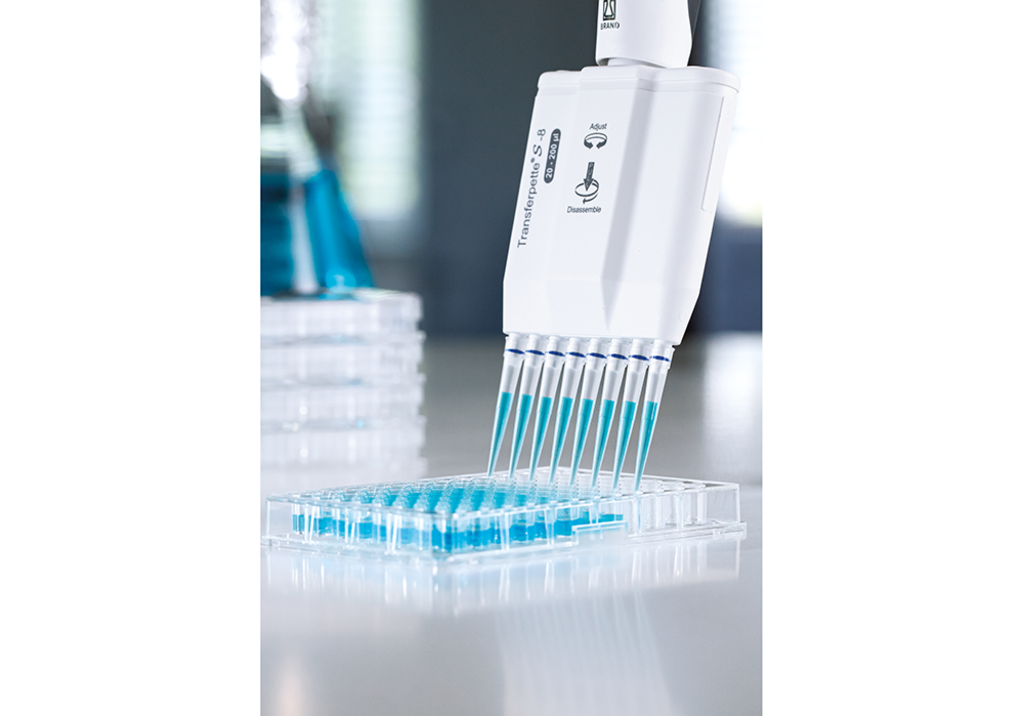
What are Pipette Tips?
Pipette tips are disposable plastic components designed to mount onto pipettes or micropipettes for accurate liquid transfers. Available in diverse dimensions, geometries, and polymer grades, these attachments are engineered to match specific fluid-dispensing demands. Selecting the appropriate tip configuration protects measurement accuracy, limits contamination risks, and prevents trial-to-trial variance in experimental data.
Categorizing Pipette Tips: Sterility and Filtration Options
Choosing the correct pipette tip configuration is driven directly by your application's sensitivity to contamination and budget constraints.
Sterility Levels
- Sterile Tips: Packaged in sealed, batch-certified racks or individual wrapping to guarantee zero micro-organism presence. Essential for cell culture, clinical diagnostics, and sensitive biological workflows where foreign contamination compromises outcomes.
- Non-Sterile Tips: The cost-effective standard for routine, non-biological liquid handling and general chemical transfers where strict sterility is unnecessary.
Filter Barrier Options
- Filtered Tips: Built with a porous internal barrier that traps liquid splashes and vaporized aerosols before they can enter the pipette body. Crucial for sensitive molecular biology protocols (such as PCR or nucleic acid isolation) to prevent cross-contamination and instrument damage.
- Unfiltered Tips: Feature a clear, open passage. Best suited for basic, non-hazardous fluid transfers where aerosol carryover poses no threat to your research.
Pipette Tip Materials and Composition
Laboratory pipette tips are primarily molded from polypropylene (PP) or polystyrene (PS), both providing high chemical tolerance and structural stability depending on the application:
- Polypropylene (PP): The standard choice for most laboratory work due to its broad chemical compatibility and resilience against extreme temperatures. It handles both everyday fluid transfers and demanding biomedical procedures without degrading.
- Polystyrene (PS): Utilized less frequently, PS offers increased structural rigidity for specialized tasks where higher stiffness is required.
Because the chosen polymer governs chemical compatibility and tip integrity, matching the material to your specific chemical reagents is essential.
Selecting the Ideal Pipette Tip for Your Application
Selecting the appropriate pipette tip is a small detail that directly impacts experimental accuracy and reproducibility. Key evaluation factors include:
- Application Requirements: Specialized protocols dictate tip features. Sensitive workflows like PCR, RNA/DNA analysis, and clinical diagnostics require filtered, sterile tips to eliminate cross-contamination and guarantee volumetric accuracy.
- Instrument Compatibility: Tips must match your specific instrument's nosecone profile. Always check cross-compatibility across single-channel and multichannel models to ensure an airtight seal and proper ejection.
- Manufacturing Quality: High-precision tips feature uniform wall geometry and consistent orifice dimensions, preventing sample volume discrepancies during repetitive liquid transfers or deep-well plate dispensing.
- Specialized Use Cases:
- Positive Displacement Tips: Essential for accurate metering of highly viscous, volatile, or dense solutions in demanding industrial settings.
- Gel Loading Tips: Engineered with flexible, narrow orifices specifically designed to load delicate samples into agarose or polyacrylamide gels without puncturing the wells.
Key Features of Superior Pipette Tips: What Defines Top Quality?
Top-tier pipette tips are engineered to satisfy stringent demands for accuracy, purity, and structural reliability. Key characteristics of high-performance tips include:
- Consistent Geometry: Precision-molded tips feature exact orifice dimensions and friction-free inner surfaces. This guarantees uniform fluid delivery across trials, preventing volumetric deviations—a vital factor for automated liquid handling systems and multichannel pipettes operating in high-throughput environments.
- Material Integrity: Constructed from high-purity, chemically resistant polymers, premium tips prevent chemical breakdown or sample interaction, safeguarding delicate biomedical research specimens.
- Certified Purity: Premium manufacturing protocols eliminate micro-particulates, trace debris, and loose fibers within the fluid channel, ensuring zero contaminant interference during sensitive single-channel liquid transfers.
The Impact of Pipette Tip Selection on Experimental Outcomes
Selecting the appropriate pipette tip is vital for safeguarding experimental accuracy and data integrity. Regardless of whether you are handling delicate biological samples or conducting standard laboratory procedures, pairing your instruments with high-quality, fully compatible tips guarantees repeatable results.
Evaluating parameters like tip geometry, polymer composition, and certified cleanliness levels ensures you identify the precise match for your lab's demands. To support maximum precision, high-grade consumable ranges—such as those engineered for tasks spanning clinical diagnostics, industrial processing, and biomedical research—deliver the reliability needed for demanding liquid handling tasks.
Upgrading your lab's consumables guarantees that every liquid transfer meets rigorous standards of consistency and accuracy, providing total confidence throughout complex experimental workflows.
Upgrade Your Laboratory Workflows Today!
Discover our comprehensive selection of life science research consumables and instruments, engineered for maximal precision and streamlined lab operations. From routine benchwork to critical discoveries, high-performance liquid handling solutions empower your lab to increase efficiency and maintain complete data reproducibility.
Get in touch with our team or view our Online-Shop to select the ideal tools for your facility.