Cleaning of Laboratory Equipment
Manual and machine cleaning
Glass and plastic labware can be cleaned manually, in an immersion bath, or in a laboratory washing machine.
Labware should be cleaned immediately after use – at low temperatures, with brief soaking times, and low alkaline detergents. Labware which has come into contact with infectious substances should first be cleaned and afterwards, if necessary, autoclaved. This is the only way to prevent baking of the substance, and subsequent damage to the labware by any adhering chemical residues.
 Note:
Note:
Wiping and scrubbing method
The generally accepted wiping and scrubbing method with a cloth or sponge soaked in cleaning solution is the most popular cleaning method. Labware must never be treated with abrasive scouring agents or pads which might damage the surface.
Immersion method
For the immersion method, labware is soaked in the cleaning solution for 20 to 30 minutes at room temperature, then rinsed with tap water, and finally with distilled water. Only for stubborn residues should the soaking time be extended and the temperature increased.
Ultrasonic bath
Both glass and plastic labware may be cleaned in an ultrasonic bath. However, direct contact with the sonic membranes must be avoided.
Machine cleaning
Machine cleaning with a laboratory washing machine is more gentle to labware than cleaning in an immersion bath. The labware is only exposed to the cleaning solution for the relatively short flushing periods when sprayed by the jet or ejector nozzles.
- Lightweight objects will not be tossed and damaged by the jet if they are secured in washing nets.
- Labware is protected against scratching when the wire baskets in the washing machine are plastic coated.
Glass labware
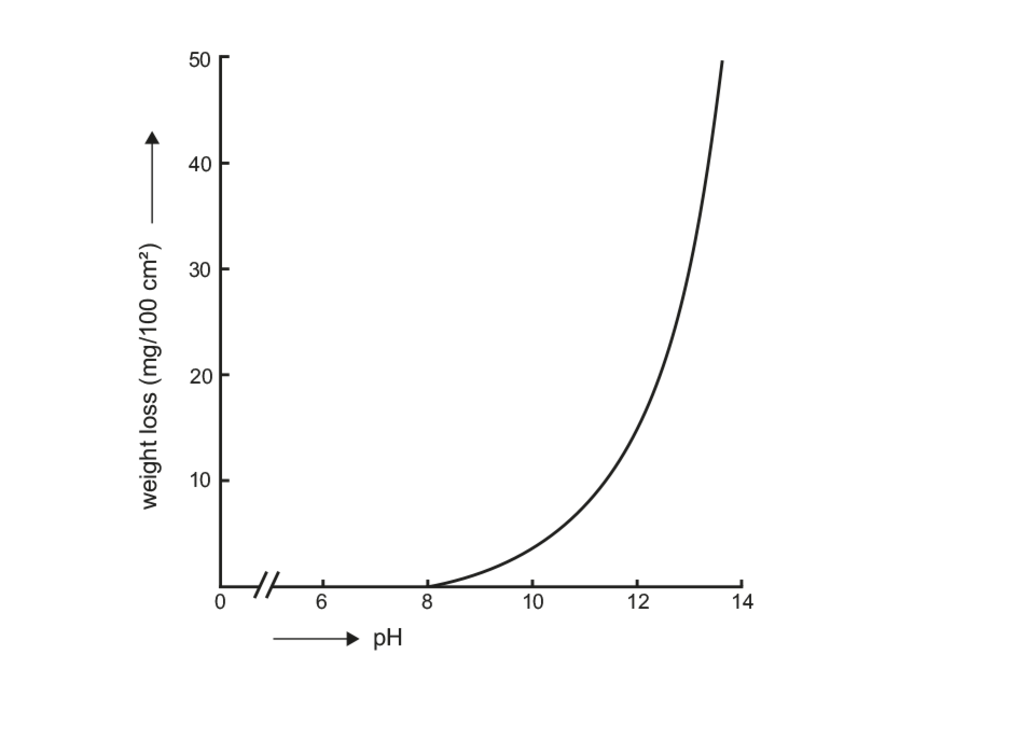
With glass labware, prolonged immersion times in alkaline media above 70 °C should be avoided. Such treatment, particularly with volumetric instruments, might cause volume changes through glass corrosion, and destruction of graduations.
Plastic labware
Plastic items generally have smooth, non-wetting surfaces and can usually be cleaned effortlessly under low alkalinity conditions.
Polystyrene or polycarbonate labware, e.g., centrifuge tubes, must only be cleaned manually with neutral detergents. Prolonged exposure even to low alkaline detergents will impair their strength. The chemical resistance of these plastics should be verified in each case.
Cleaning in trace analysis
To minimize metallic traces, laboratory equipment is placed into 1N HCl or 1N HNO3 at room temperature for not more than 6 hours. (Glass laboratory equipment is often boiled for
1 hour in 1N HNO3.)
It is then rinsed with distilled water. To minimize organic contamination, laboratory equipment can first be cleaned with alkalis, or a solvent such as alcohol.
Gentle cleaning
For gentle treatment of labware, clean immediately after use – at low temperatures, with brief soaking times, and at low alkalinity. Glass volumetric instruments should not be exposed to prolonged immersion times in alkaline media above 70 °C, as such treatment causes volume changes through glass corrosion, and destruction of graduations.
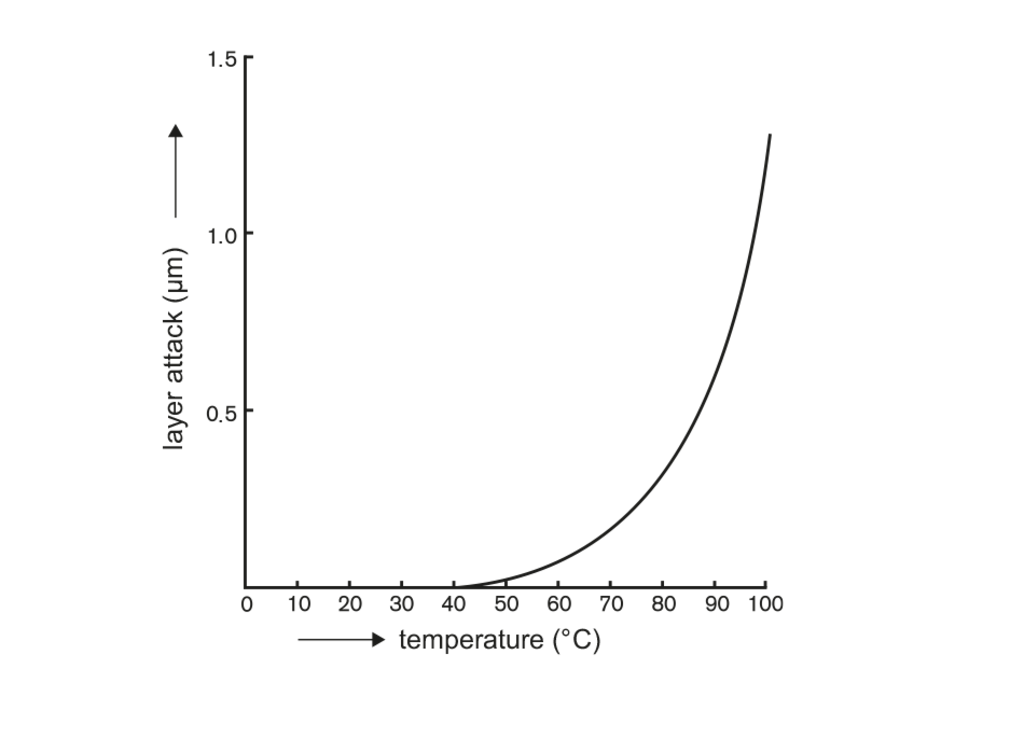
(Graphs are from the brochure 'Technische Gläser' by SCHOTT AG, Mainz.)
 Information
Disinfection and sterilization
Disinfection
Laboratory instruments that have come into contact with infectious material or genetically modified organisms must be disinfected prior to reuse/disposal; i.e., they must be brought to a condition in which they no longer pose a risk of infection.
Therefore laboratory instruments can be treated with disinfecting detergents for example. If necessary and suitable, the items may subsequently be sterilized (autoclaved).
Steam sterilization
Steam sterilization (autoclaving) is defined as the destruction or irreversible inactivation of all reproducible microorganisms under exposure to saturated steam at 121 °C (2 bar) according to DIN EN 285.
For correct sterilization procedure, including biological security, please contact your sterilization officer.
The following points must be observed:
- Efficient steam sterilization is assured only if the steam is saturated and has unrestricted access to all contaminated areas.
- To prevent pressure build-up, containers or vessels must always be open.
- Contaminated reusable labware must be cleaned thoroughly before steam sterilization. Otherwise, residue will bake on during sterilization and microorganisms may not be effectively destroyed if they are protected by the residue. Furthermore, any adhering chemical residues may damage the surfaces due to the high temperatures.
- Not all plastics are resistant to steam sterilization. Polycarbonate, e.g., will lose its strength. Polycarbonate centrifuge tubes cannot be steam sterilized.
- During sterilization (autoclaving), plastic equipment in particular should not be mechanically stressed (e.g., do not stack). Thus, to avoid shape deformation, beakers, flasks, and graduated
cylinders should be autoclaved in an upright position.
Thermal resistance
All reusable BLAUBRAND® and SILBERBRAND volumetric instruments can be heated up to 250 °C in a drying cabinet or a sterilizer, without any subsequent volume deviations. However, as with all glass instruments, irregular heating or sudden temperature changes produce thermal stresses which may result in breakage. Therefore:
- Always place glass instruments into a cold drying cabinet or sterilizer; then heat slowly.
- At the end of the drying or sterilizing period, allow instruments to cool off slowly inside the switched-off oven.
- Do not heat up volumetric instruments on a hot plate.
- Pay attention to the maximum operating temperatures of plastic instruments.


